Category: Bookkeeping

  • State Law Nonprofit Audit Requirements

    when does a nonprofit need an audit

    In the years when the nonprofit does not have an independent audit the nonprofit could elect to have its financial statements reviewed instead. The cost of an independent audit varies depending on the geographic region where the nonprofit is located and how large the organization is. Audit fees can be significant for large nonprofits located in major urban areas. Biannual audits may suffice for smaller nonprofits on stable financial footing, but budgets, revenue streams, and operations should be closely monitored in between reviews. Government funders especially typically expect annual audits for any grants or contracts awarded.

    Take the First Step Towards Financial Success — Contact Us Today!

    Get support at every stage of the nonprofit audit process by partnering with Jitasa. If the auditor finds any weaknesses in the internal controls, they will report them to the board of directors. This means that the auditor will examine the financial statements and check for any errors or omissions. ✔️ When you want to get serious about grant funding.Many grants require an audit (not a review or compilation) because it provides an opinion of assurance. Instead, it is a decision to take proactive ownership of your organization’s financial health, transparency, and validity by hiring a professional to examine your books.

    Benefits of a nonprofit audit

    While financial compliance is part of it, it includes charitable registration, licensing, donor data protection, and governance practices. Even when not mandatory, an audit can be smart, especially when your organization is growing, handling complex finances, or wants to strengthen internal accountability and donor trust. Partner with the experts at Jitasa to make the most of your nonprofit audit experience. Although you’ll need to put in effort to prepare beforehand and apply the auditor’s recommendations afterward, the benefits of financial auditing typically outweigh these costs.

    when does a nonprofit need an audit

    Nonprofit Revenue Sources: Startup Series

    • A financial audit may also be an official prerequisite as part of the application process when you seek a grant, particularly when the funders are government agencies or corporations.
    • Sometimes not-for-profit organizations find themselves in the awkward position of hovering just below a threshold or bouncing back-and-forth across the categories in the charts above.
    • Here’s a breakdown of the key phases and typical timelines involved in working with an independent auditor.
    • By bringing onboard an auditor, who can assess the current structure of the social enterprise, they may be able to recommend changes where applicable to minimise the charity’s tax and VAT liabilities.
    • However, in very rare cases, an audit may be necessary at the federal level—such as when a foundation receives substantial government funding in the form of federal grants.
    • Finally, nonprofits that understand the benefits of audits will include this requirement in their organization’s bylaws, making this mandatory each year.

    In states with audit regulations, the requirement is usually triggered when an organization’s annual revenue exceeds a certain threshold. However, in many cases, this threshold applies only to organizations registered to solicit contributions from the public. Since private foundations rarely engage in public fundraising, these audit requirements often do not apply. Furthermore, many states exclude investment income from a foundation’s endowment when calculating revenue for audit purposes.

    when does a nonprofit need an audit

    Leading Nonprofits in an Evolving World

    when does a nonprofit need an audit

    A good system matches your account entries to nonprofit-specific regulatory requirements, such as IRS, GAAP and state reporting standards. References from other organizations in your field will help you identify firms with experience in the different types of audits for nonprofits. Not all nonprofits are required to undergo accounting services for nonprofit organizations an audit, but there are specific circumstances when it may be necessary. These guidelines might include restrictions on how funds can be used, such as prohibiting the use of grant money for lobbying activities, requiring detailed financial reporting, and ensuring that funds are spent within the grant period. Transparency and accountability fostered by audits build trust with donors, grantors, and other stakeholders.

    Services

    when does a nonprofit need an audit

    Shortly after receiving the report, schedule a leadership team meeting to review it in detail and create an action plan that addresses everything the auditor identified across all relevant areas of your organization. Some of these actions may be https://nyweekly.com/business/accounting-services-for-nonprofits-benefits-and-how-to-choose-the-right-provider/ simple improvements that add up to make a significant difference in your operations, while others may be more complex changes that will take time and effort to implement. A nonprofit statement of activities is one of the key financial reports every leader should know how to read.

    when does a nonprofit need an audit

    • By providing accurate, independently verified financials, nonprofits can satisfy bank requirements and improve their eligibility for financial support.
    • With decades of experience and a nonprofit-focused approach, we go beyond issuing clean audit reports.
    • The IRS does not require nonprofits to file annual independent audits, but many states do including Wisconsin.
    • In a Financial Review, an independent auditor reviews your financial statements to determine if they’re consistent with generally accepted accounting principles (GAAP).
    • If costs are a concern, shop auditing firms for the best value or ask major donors to fund accounting oversight and transparency as an investment in your organization’s stability.

    Nonprofits often establish their audit requirements within their bylaws to maintain good governance practices. Internal policies may stipulate annual audits or reviews at specified intervals, regardless of external requirements, to ensure financial oversight and accountability. Nonprofit organizations operate under special regulations that differ from traditional businesses. One key difference is the audit requirements that nonprofits must adhere to in order to maintain their tax-exempt status. While some states require all registered nonprofits to undergo annual audits, other states only mandate audits under certain circumstances.

    And even if you found what you were looking for, you may want that comfort of talking it though your accountant to just make sure you have got it right. Even a small reduction in the money that the charity receives can have a big impact on the delivery of services and projects. Whilst an audit can’t guarantee that fraud is not taking place within the organisation, it is an important tool in the prevention of fraud. The audit can highlight where processes and safeguards are lax and suggest positive improvements to reduce the possibility of fraud.

  • Equity multiplier guide: formula + how to evaluate

    what is a good equity multiplier

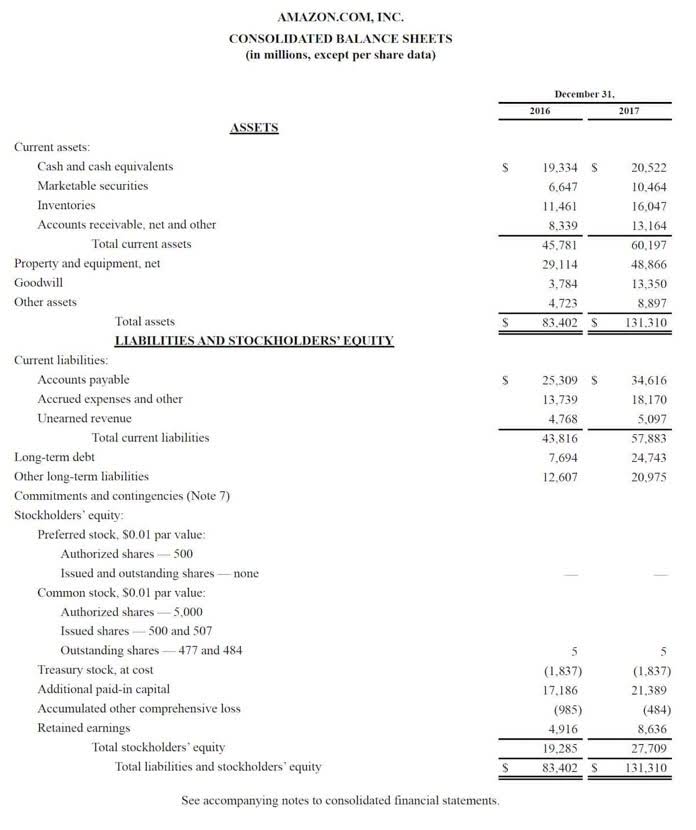
    Creditors can use the equity multiplier to assess the credit risk of lending to a business. A high ratio means the business has less equity “cushion” relative to assets. A high equity multiplier signals potential liquidity and solvency issues. The more debt financing a company uses, the higher its fixed interest and principal payments. It’s important to take inflation, the time value of money, and the timeframe into account.

    Trump’s Fed Criticism Sparks Investor Concerns

    Equity multiple is a crucial metric for evaluating the performance and profitability of real estate investments. To account for the time value of money, investors should use metrics like the Internal Rate of Return (IRR) in addition to equity multiple. IRR takes into account the timing of cash flows and provides an annualized return percentage, making it easier to compare investments with different holding periods.

    Everything to Run Your Business

    what is a good equity multiplier

    Apple’s higher CARES Act equity multiplier suggests a more highly leveraged financial structure, making it potentially more sensitive to economic shifts and industry changes. In contrast, Verizon’s model, reminiscent of utility companies, involves stable cash flows and substantial debt. In summary, comprehending the equity multiplier is fundamental in assessing a company’s capital structure and level of financial leverage.

    • Generally, a lower multiplier suggests less financial risk, while comparisons to industry averages and historical trends provide better context.
    • Several factors influence the equity multiplier, and understanding these factors is crucial for evaluating a company’s financial health and performance.
    • A higher equity multiplier suggests a company is more leveraged, potentially indicating a higher risk profile.
    • This ultimately demonstrates how effectively a company uses financial leverage and debt to generate returns for its shareholders.
    • This means that the company is using twice as much debt as equity to finance its assets.
    • The data points and actual math required for equity multiple calculation are basic, especially when contrasted with what’s needed for other return metrics, such as the internal rate of return.

    Equity Multiplier vs Other Financial Ratios: A Comparative Analysis

    what is a good equity multiplier

    A bank with a high equity multiplier can be considered as quite risky because it has an excessive level of debt relative to its equity. The regulatory bodies, such as the Federal Reserve or the Office of Comptroller of the Currency, monitor the equity multipliers of banks to ensure they do not exceed a Bookkeeping for Consultants particular threshold. Banks are expected to maintain an appropriate balance between their debt and equity. The equity multiplier is also influential in assessing the financial stability of an organisation. A lower equity multiplier, indicating less leverage and more equity financing, typically points to better financial stability.

    • Orb is a billing platform designed to help companies turn pricing into a lever for revenue growth.
    • Equity multiple doesn’t show everything that investors need to know when evaluating commercial real estate properties.
    • The current ratio is a liquidity ratio that assesses a company’s ability to meet short-term obligations, providing a different perspective from the equity multiplier.
    • An increase in EM multiplier makes it increasingly difficult for a company to raise new loans.
    • By using this multiplier, an investor is able to know whether a company invests more in debt or more in equity.
    • There is no ideal value for an equity multiplier ratio because not all business strategies are the same.

    In fact, creditors and investors interested what is a good equity multiplier in investing in a company use this ratio to determine how leveraged a company is. The equity multiplier is also used to indicate the level of debt financing that a firm has used to acquire assets and maintain operations. Return on equity (ROE) is a financial performance metric that measures your company’s ability to generate profit from its shareholders’ equity. Your shareholders’ equity is equal to your assets minus debts, so your ROE shows your return on your net assets.

    what is a good equity multiplier

    Uranium Stocks: 5 Biggest Companies in 2023

    • More reliance on debt financing results in higher credit risk – all else being equal.
    • It is calculated by dividing a company’s total assets by its shareholders’ equity.
    • It’s widely used in private equity and commercial real estate as a litmus test.
    • In financial modeling, the equity multiplier is often used to project a company’s future financial performance under different scenarios of debt and equity financing.
    • An equity multiplier of 2 means that for every $1 financed by shareholders’ equity, the company has $2 in assets.

    As you can see, the first investment produces a 16.15% IRR, while the second investment only produces a 15.56% IRR. If we were using the IRR alone, then the choice would be clearly be the first set of cash flows. However, the IRR isn’t a silver bullet and doesn’t always tell the full story. This can be seen by looking at the equity multiple for both investment options. Although the second potential investment has a lower IRR, it has a higher equity multiple.

  • Wages vs Salary: Key Differences, Examples & Comparison Table

    wages are different than salaries because wages are:

    Among employed men and women, the impact of parenting is felt most among those ages 25 to 54, when they are most likely to have children under 18 at home. In 2022, mothers ages 25 to 34 earned 85% as much as fathers that age, but women without children at home earned 97% as much as fathers. In contrast, employed women ages 35 to 44 – with or without children – both earned about 80% as much as fathers.

    wages are different than salaries because wages are:

    Worker Preference in Case of Bankruptcy

    In most nations, salaries are also determined by supply and demand – the number of job vacancies compared to the number of persons in the area who could fill that post. The UK sees substantial wage inequality between different regions, e.g. London sees higher average wages – this is because of greater demand, and relatively shorter supply, due to high living costs. A look at factors that explain wage inequality – including classical economic theory and labour market imperfections. Salaried employees may have more opportunities to move up within the wages are different than salaries because wages are: company into positions with more responsibility.

    wages are different than salaries because wages are:

    Should my gross pay equal my salary?

    wages are different than salaries because wages are:

    The laws enforced by EEOC prohibit pay discrimination, regardless of citizenship or work authorization status. Select any of the questions below to get quick answers to some common questions about pay discrimination. For more information on the pay tables and related materials posted on our website, agencies may email Pay-Leave- For more information on the pay tables and related materials posted on our website, agencies may email The place where you work matters too; if you work in a city where things are expensive, the company will usually pay you more to help cover the higher costs of living. Positions involving managerial or executive duties may fall under the exempt category, while roles with routine tasks and limited supervisory responsibilities may be classified as non-exempt.

    Navigating Compensation: Salary vs Wage

    wages are different than salaries because wages are:

    You may earn a normal balance higher wage and have a more considerable net income due to advantages such as company-provided health insurance. Salary employees do not need to track their hours as hourly workers do; they are not required to sign a time sheet. Most people are familiar with the term “minimum wage” when it comes to employee pay.

    Why is my gross pay different from my salary?

    • This can vary depending on location, how much it gets rented for and what type of property it is.
    • This gap does not exist for a salaried worker, since he is paid through the pay date.
    • Conversely, salaried employees may not be covered by minimum wage protections since their earnings are based on an annual amount rather than an hourly rate.
    • You know beforehand how much you will receive and it is easy to plan your financial commitments for the month beforehand.
    • This is a benefit because a contract does not bind them, so they can quickly move to that other place where they can make more money working the same number of hours.

    This is a benefit because a contract does not bind them, so they can quickly move to that other place where they can make more money working the same number of hours. Tradition and law determine salaries and supply and demand (market factors). For example, in the U.S., market forces influence compensation levels, while in Japan, seniority, social structure, and tradition do. Globalisation/trade liberalisation Trade liberalisation has led to a shift in the structure of the economy. It is cheaper to import labour-intensive goods from emerging economies. It leads to higher demand for skilled workers in industries with comparative advantage.

    Legal Distinctions In Wage & Salary

    • This rate increases during overtime hours and employees who earn wages often have paychecks that vary in size because they depend on how many hours they worked during that pay period.
    • Still, women did not see the pay gap close to the same extent from 2002 to 2022 as they did from 1982 to 2002.
    • The theory of monopsony suggests employers will have market power in determining wages and therefore are able to pay workers less than their MRP.
    • In contrast, wages are based on the number of hours worked weekly, fortnightly, or month.
    • If an employee dies, wages may be paid to the heirs of the deceased employee without the necessity of intestate proceedings.
    • Differential treatment of women, including gender stereotypes and discrimination, may also play a role.

    Employees who receive hourly wages are unlikely to receive benefits. Though you may get a discount for purchases you make at the company you work https://www.bookstime.com/cash-basis-vs-accrual-basis for. Most salaried employees are considered “exempt” or not eligible to receive overtime pay.

    Time For A Short Quiz

    • Understanding different wages is essential for employers, but managing them alongside complex scheduling, time tracking, and leave requests can be a challenge.
    • Yes, there are legal distinctions between wage and salaried employment regarding overtime compensation, minimum wage requirements, and exempt/non-exempt classifications under labor laws.
    • On the other hand, wage earners are typically eligible for overtime pay.
    • Determining who is eligible for overtime pay hinges on whether an individual is classified as a wage or salary earner.

    In theory, wage discrimination is outlawed, though it may manifest itself in other forms, such as some types of workers getting few opportunities to be promoted to higher pay scales. An employer can’t dock pay for a salaried employee for any week in which the employee worked or was available and willing to work, regardless of how many hours they put in. Salaried employees tend to also be entitled to paid time off, such as vacation and sick leave.

  • Pay Your Oregon Small Business Taxes 2025

    oregon business income tax rate range

    For salaried workers, gross earnings are fixed for each pay period, but for hourly workers, gross earnings are calculated by multiplying their hourly rate by the number of hours worked. For example, an employee who worked 80 hours at a rate of $30/hour will have earned $2,400 in gross wages. Oregon businesses with one or more employees are required to have workers’ compensation insurance or be self-insured.

    State Income Taxes in Oregon

    • Some of these programs can even completely eliminate the amount of money you would pay for property taxes.
    • We are compensated in exchange for placement of sponsored products and services, or by you clicking on certain links posted on our site.
    • As an at-will state, Oregon allows both employers to terminate employees without reason, though employees may not be terminated for discriminatory reasons.
    • When this is the case, the same tax rules as for Oregon C corporations apply to the LLC.
    • Partnership D employed three employees during the year in Oregon.

    In general, employers must pay employees on a regular payday schedule with paydays no more than 35 days apart. If you’re interested in adopting payroll software for your business, check out our guide to the best payroll software for small businesses. Oregon has a statewide transient lodging tax paid by guests and collected by lodging providers. There’s also a 1.5% Amusement Device Tax on income from coin-operated devices. Review eligibility for these programs to leverage savings opportunities. The Oregon Business Development Department provides guidance Bookkeeping for Consultants on qualifying for applicable credits and abatements.

    oregon business income tax rate range

    Oregon Corporate Excise Tax

    There are no guarantees that working with an adviser will yield positive returns. The existence of a fiduciary duty does not prevent the rise of potential conflicts of interest. SmartAsset Advisors, LLC (“SmartAsset”), a wholly owned subsidiary of Financial Insight Technology, is registered with the U.S.

    oregon business income tax rate range

    Oregon LLC Tax: What Small Business Owners Need to Know

    • Oregon LLCs can choose their tax classification, affecting their filing obligations and liabilities.
    • Like all states (except Texas), Oregon requires businesses to carry workers’ compensation.
    • This follows similar legislation that was enacted in 2022 to reduce the corporate rate from 4.95 to 4.85 percent, retroactively effective as of January 1, 2022.
    • S-Corporations and other flow-through entities aren’t subject to the double taxation of revenue imposed on a C-Corp, because they aren’t required to pay corporate taxes on their revenue.
    • She files an amended return on November 2 and makes the election.

    Visit the official state government’s website to pay individual income tax online. If you meet these state filing thresholds, gross vs net you’re responsible for filing Oregon state income taxes. Be sure to file to ensure you stay compliant and avoid potential penalties. Most taxpayers use the standard deduction because it results in a lower taxable income than itemizing deductions.

    Oregon Small Business Tax FAQs

    oregon business income tax rate range

    A tax credit allows taxpayers to reduce the amount of taxes they are required to pay. This is different from a tax deduction, which reduces the amount of income that is subject to taxation. Tax credits are applied directly to the tax liability, while deductions are applied to the taxable income. S corporation excise tax filers pay the minimum tax or calculated tax, whichever is greater. S corporation income tax filers pay calculated tax (if any), but not minimum tax.

    • Nonresident members are taxed only on Oregon-sourced income, requiring careful apportionment if the LLC operates in multiple states.
    • And declines on Wall Street are magnified in Oregon’s personal income tax payments, because people are less likely to sell depressed assets.
    • However, if an employer pays the juror for the days they are serving, the juror must waive their service fees.
    • Oregon’s payday laws protect employee wages and set the standard for regular pay.
    • Oregon employers use the Combined Payroll Tax Reporting System to report and pay their payroll taxes.
    • It’s a very hardworking group of individuals who are genuinely passionate about small businesses.

    Oregon also imposes Corporate Activity Tax CAT of $250 plus 0.57% of activity in excess of $1 million. Shareholders who meet Oregon filing requirements must file an Oregon tax return. Refer to the appropriate tax forms and instructions, based oregon income tax rate on what type of taxpayer the shareholder is (individual, corporation, trust, other), for more information.

  • 6 Nonprofit Budget Templates for Your Organization

    budget for a nonprofit organization

    By simply gathering your data, making revenue and expense projections, and regularly reviewing and updating your budget, you’ve conquered a key part of the business of running a nonprofit. Whether you’re a new organization or an established one working to get its finances under better control, there are few more important things to get right than your nonprofit operating budget. Nonprofit budgeting formalizes the process of allocating resources to different areas of your organization. It provides a concrete plan that you can use to evaluate your progress and align your team. Although it’s never too late to make a budget, the process should ideally start two or three months before the beginning of your next fiscal year. This allows you enough time to gather all accounting services for nonprofit organizations the information you need and to present the budget to your nonprofit board for approval.

    Analyzing income and expenses

    budget for a nonprofit organization

    This step is crucial to create a realistic, meaningful financial plan rather than an idealistic document detached from where your organization is today. For example, if your mission is to reduce homelessness, your budget should demonstrate that by allocating funds for shelters, outreach staff, housing assistance programs, and other relevant expenses. The mission statement is the guiding light that informs how each dollar should be spent. This should concisely reflect your core values and the change you aim to create. When an expense is clearly and exclusively incurred for a specific program area or cost center, we simply assign the expense to that program area or cost center.

    • Remember, a well-planned budget is not just a financial document; it is a roadmap to success, guiding you in making informed decisions and ensuring the financial stability of your organization.
    • For instance, the costs of program materials and necessary transportation will likely shift over time.
    • In recent years, charitable giving from individuals has skyrocketed to a remarkable $500B per year.
    • The best practices we shared in this guide are the fundamentals of sound budgeting for nonprofit organizations.

    Nonprofit funding: A beginner’s guide

    budget for a nonprofit organization

    Another key factor that organizations often forget to consider is the budget format. Be sure to use the same chart of accounts and programs in your budget as you use in your accounting system. This will make it easier to compare your budget to actuals in the coming year. Some organizations don’t like to include miscellaneous income such as interest income in their budget, because it is not a dependable revenue stream. However, if the organization keeps the estimates conservative and doesn’t depend on the income to keep them afloat, there is nothing wrong with including this in your budget. Remember, transparency and accountability are key when it comes to managing finances in a nonprofit setting.

    Develop Program-Based Budgeting

    Be sure to include all the payments that have gone toward your mission programs—including international payments. Does your nonprofit use small equipment, software subscriptions, or office supplies? Cash flow projection refers to the monthly movement of funds coming in and going out of your nonprofit organization. Tracking this https://nerdbot.com/2025/06/10/the-key-benefits-of-accounting-services-for-nonprofit-organizations/ number tells you how much you have with you at any given point. Creating the budget is not the responsibility of the finance team only.

    budget for a nonprofit organization

    Creating lasting relationships with your suppliers and partners will save you time, energy, and even money! The better relationships you build early on, the easier things will be in coming years. Feeling inundated with too many spreadsheets, repetitive data entry, and version-control issues? When teams have clarity into the work getting done, there’s no telling how much more they can accomplish in the same amount of time. These are only some of the many benefits a good budget brings to an organization.

    budget for a nonprofit organization

    Creating a budget for your nonprofit organization is an important step in ensuring your financial success. By estimating your income and expenses, you can make sure that you’re using your resources in the most efficient way possible. And, by reviewing your budget often, you can make sure that you’re on track to reach your financial goals.

    • Grant-makers have the potential to contribute large sums to nonprofits and board directors should ensure that they meet the grantor’s requirements to qualify.
    • Grant tracking helps monitor restricted funding compliance, while cash flow projections ensure adequate liquidity.
    • The committee will need to determine the costs for the upcoming program goals, organizational goals and strategic goals.
    • While familiar, this approach might keep you from spotting opportunities for significant improvements.
    • Ensure your process includes appropriate approval steps for different types of changes while maintaining enough flexibility to respond quickly when needed.

    An effective nonprofit budget prioritizes important things that push your goals forward. The more resources and funds you dedicate to them, the more likely you will reach your objectives. Remember, every nonprofit is unique, and your main sources of income might differ from others.

  • Budgeting for Nonprofit Organizations SpringerLink

    budget for a nonprofit organization

    In order to be successful, there are a few things to keep in mind when establishing a nonprofit budget. Explore all of the different sources of funding for nonprofits, popular funding models, and five simple steps for kickstarting a funding strategy for your organization. If you’re one of the many nonprofits operating on a tight budget, Givebutter has you covered. Givebutter is a free, modern, all-in-one fundraising platform built with donors in mind.

    budget for a nonprofit organization

    Accounting Software

    budget for a nonprofit organization

    See how the online fundraising market is changing, what nonprofits are doing, and how you can adapt your strategies for sustainability and growth. Donors and stakeholders demand transparency in how their contributions are utilized. It publishes detailed annual reports to share its budget allocation and impact with stakeholders. The two primary components of a budget are income and revenue, and many subcategories fall under the umbrella of each.

    • It lets you track expenses closely, preventing overspending and identifying cost-saving opportunities.
    • By estimating your income and expenses, you can make sure that you’re using your resources in the most efficient way possible.
    • You should also have a plan for how to effectively manage your funding, which is where your financial strategy comes into play.
    • A capital budget covers one-time expenses that will take years to fully fund, like major construction projects.
    • Another key factor that organizations often forget to consider is the budget format.

    Create Supplier + Partner Relationships, and Set Costs

    The purpose of budgeting for nonprofit organizations is for it to reflect your realistic financial goals and plans for the upcoming year. Creating a budget is a cornerstone in establishing the financial health and sustainability of your nonprofit organization. A well-planned budget not only ensures prudent financial management but also steers your organization towards achieving its mission effectively. In this blog post, we will walk you through the steps to create a robust budget for your nonprofit organization and explore how nonprofit accounting software can be a valuable ally in this endeavor.

    Additional Resources and Links

    • A key component of financial sustainability is the commitment of board and staff to financial management that includes timely review of financial reports and advance planning.
    • Your nonprofit’s budget will be different, depending on the size, income and expenses of your organization.
    • Whether you’re managing general operations, launching a new program, or amplifying your marketing efforts, a thoughtful budget can be the difference between a successful year and a strained one.
    • To calculate year-end budget totals, contrast income (e.g., sales, contributions, fundraising, etc.) with expenses (e.g., office equipment, transportation, utilities, etc.).
    • This balanced approach to cost management strengthens your organization’s resilience while ensuring resources remain available for mission-critical work.

    When budgeting, nonprofits sometimes make the mistake of forgetting to account for in-kind donations or volunteer hours. For example, if you have it in your plan to buy new computers for your staff or to build a new website, create a separate budget for those projects. Your board members should have a direct role in developing cash flow projections, agreeing on the assumptions Accounting Services for Nonprofits: Benefits and How to Choose the Right Provider to use, and reviewing the projections carefully. Consider segregating staff expenses as it usually comprises anywhere from 60% to 90% of an organization’s budget.

    Why not hang your website hat on us?”,”slug”:”et_pb_text”” data-et-multi-view-load-phone-hidden=”true”>

    Next, https://nyweekly.com/business/accounting-services-for-nonprofits-benefits-and-how-to-choose-the-right-provider/ your nonprofit’s revenues and expenses should be forecast for the year based on the information that you gathered in the previous step. It’s important to know where you’ve been, where you want to go and whether that goal is attainable considering the current climate. Gathering this information before you begin crafting a nonprofit budget will allow you to make the most practical and informed decisions about your organization’s finances. One key reason many nonprofits struggle when it comes to accounting and finances is their failure to treat their organization as a business.

    budget for a nonprofit organization

    • Divide resources and funds accordingly, prioritizing activities that directly contribute to your goals.
    • This means that they have more income than they do expenses, which is a good position financially.
    • You can also check out customizable templates to fit the unique needs of your nonprofit.
    • The mission statement is the guiding light that informs how each dollar should be spent.
    • Budgeting produces a set of promises involving a specific time period that are monetized and communicated.
    • For example, if you tell your donors that all donations will go directly to program expenses, those are then restricted funds that you need to exclusively use to support programs.

    For example, if you have a strong fundraising track record and anticipate an 80% chance of achieving the predicted $100,000 revenue goal, the forecasted amount would be $80,000. With this approach, you determine the anticipated funding from each fundraising source by multiplying the expected amount with the corresponding probability percentage. Successfully implementing a budget for non-profit organizations requires systematic effort. Ensure your process includes appropriate approval steps for different types of changes while maintaining enough flexibility to respond quickly when needed. Create a rolling cash flow forecast that looks at least six months ahead.

    budget for a nonprofit organization