
Among employed men and women, the impact of parenting is felt most among those ages 25 to 54, when they are most likely to have children under 18 at home. In 2022, mothers ages 25 to 34 earned 85% as much as fathers that age, but women without children at home earned 97% as much as fathers. In contrast, employed women ages 35 to 44 – with or without children – both earned about 80% as much as fathers.
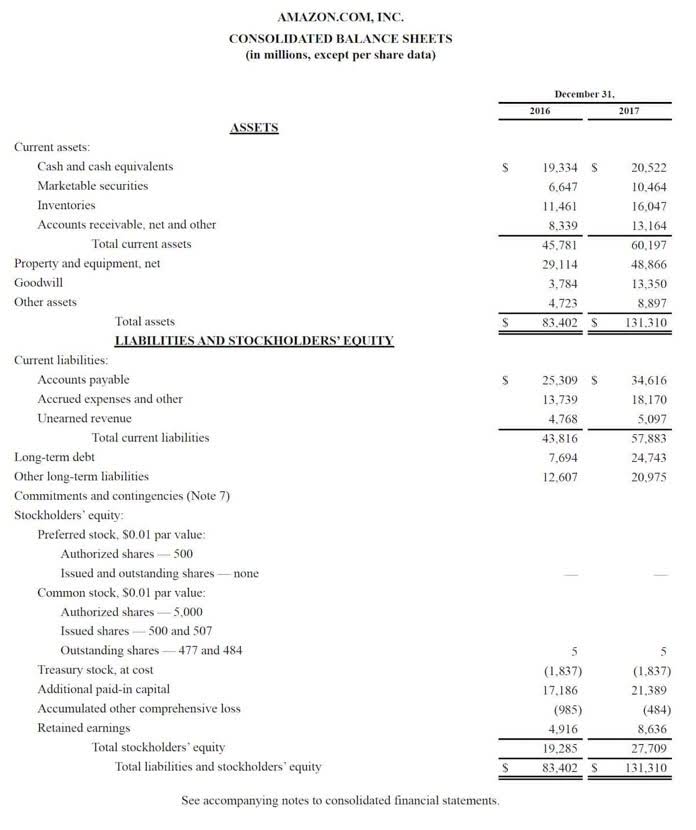
Worker Preference in Case of Bankruptcy
In most nations, salaries are also determined by supply and demand – the number of job vacancies compared to the number of persons in the area who could fill that post. The UK sees substantial wage inequality between different regions, e.g. London sees higher average wages – this is because of greater demand, and relatively shorter supply, due to high living costs. A look at factors that explain wage inequality – including classical economic theory and labour market imperfections. Salaried employees may have more opportunities to move up within the wages are different than salaries because wages are: company into positions with more responsibility.

Should my gross pay equal my salary?

The laws enforced by EEOC prohibit pay discrimination, regardless of citizenship or work authorization status. Select any of the questions below to get quick answers to some common questions about pay discrimination. For more information on the pay tables and related materials posted on our website, agencies may email Pay-Leave- For more information on the pay tables and related materials posted on our website, agencies may email The place where you work matters too; if you work in a city where things are expensive, the company will usually pay you more to help cover the higher costs of living. Positions involving managerial or executive duties may fall under the exempt category, while roles with routine tasks and limited supervisory responsibilities may be classified as non-exempt.
Navigating Compensation: Salary vs Wage
You may earn a normal balance higher wage and have a more considerable net income due to advantages such as company-provided health insurance. Salary employees do not need to track their hours as hourly workers do; they are not required to sign a time sheet. Most people are familiar with the term “minimum wage” when it comes to employee pay.
Why is my gross pay different from my salary?
- This can vary depending on location, how much it gets rented for and what type of property it is.
- This gap does not exist for a salaried worker, since he is paid through the pay date.
- Conversely, salaried employees may not be covered by minimum wage protections since their earnings are based on an annual amount rather than an hourly rate.
- You know beforehand how much you will receive and it is easy to plan your financial commitments for the month beforehand.
- This is a benefit because a contract does not bind them, so they can quickly move to that other place where they can make more money working the same number of hours.
This is a benefit because a contract does not bind them, so they can quickly move to that other place where they can make more money working the same number of hours. Tradition and law determine salaries and supply and demand (market factors). For example, in the U.S., market forces influence compensation levels, while in Japan, seniority, social structure, and tradition do. Globalisation/trade liberalisation Trade liberalisation has led to a shift in the structure of the economy. It is cheaper to import labour-intensive goods from emerging economies. It leads to higher demand for skilled workers in industries with comparative advantage.
Legal Distinctions In Wage & Salary
- This rate increases during overtime hours and employees who earn wages often have paychecks that vary in size because they depend on how many hours they worked during that pay period.
- Still, women did not see the pay gap close to the same extent from 2002 to 2022 as they did from 1982 to 2002.
- The theory of monopsony suggests employers will have market power in determining wages and therefore are able to pay workers less than their MRP.
- In contrast, wages are based on the number of hours worked weekly, fortnightly, or month.
- If an employee dies, wages may be paid to the heirs of the deceased employee without the necessity of intestate proceedings.
- Differential treatment of women, including gender stereotypes and discrimination, may also play a role.
Employees who receive hourly wages are unlikely to receive benefits. Though you may get a discount for purchases you make at the company you work https://www.bookstime.com/cash-basis-vs-accrual-basis for. Most salaried employees are considered “exempt” or not eligible to receive overtime pay.
Time For A Short Quiz
- Understanding different wages is essential for employers, but managing them alongside complex scheduling, time tracking, and leave requests can be a challenge.
- Yes, there are legal distinctions between wage and salaried employment regarding overtime compensation, minimum wage requirements, and exempt/non-exempt classifications under labor laws.
- On the other hand, wage earners are typically eligible for overtime pay.
- Determining who is eligible for overtime pay hinges on whether an individual is classified as a wage or salary earner.
In theory, wage discrimination is outlawed, though it may manifest itself in other forms, such as some types of workers getting few opportunities to be promoted to higher pay scales. An employer can’t dock pay for a salaried employee for any week in which the employee worked or was available and willing to work, regardless of how many hours they put in. Salaried employees tend to also be entitled to paid time off, such as vacation and sick leave.
Leave a Reply